- Your cart is empty
- Continue Shopping


Price range: $310.00 through $440.00
Ipamorelin is a synthetic peptide that belongs to a class of drugs known as Growth Hormone Secretagogues (GHS). It is designed to stimulate the pituitary gland to release your body’s own natural growth hormone (GH).
It’s important to understand that Ipamorelin is not growth hormone itself (like HGH). Instead, it is a signaling molecule that tells your body to produce and release more of the growth hormone it already makes.
Ipamorelin works by mimicking the action of a natural hormone called Ghrelin (the “hunger hormone”). It binds to specific receptors in the pituitary gland and hypothalamus known as Growth Hormone Secretagogue Receptors (GHS-R).
This binding action has a dual effect:
Stimulates GH Release: It directly signals the pituitary gland to pulsate and release growth hormone.
Suppresses Somatostatin: Somatostatin is the hormone that inhibits GH release. Ipamorelin reduces its effect, creating a window for a stronger and more effective GH pulse.
This mechanism is considered “more selective” than older GHS like GHRP-6, as it has a weaker stimulating effect on cortisol and prolactin, leading to a cleaner side-effect profile for many users.
The benefits of Ipamorelin are primarily tied to the effects of increased growth hormone levels. It is used both in clinical settings and, more commonly, in the wellness and fitness communities.
Growth hormone is a potent fat-burning (lipolytic) hormone. It helps break down stored body fat for energy, making it a popular tool for individuals seeking to reduce body fat percentage.
GH stimulates protein synthesis and promotes the growth of lean muscle tissue. When combined with resistance training, it can aid in building muscle and improving strength.
Increased GH and its mediator, IGF-1, promote collagen production. This can lead to:
Thicker, more elastic skin
Reduction in the appearance of wrinkles
Stronger hair and nails
GH is primarily released during deep sleep and is crucial for tissue repair. Users often report:
Faster recovery from workouts and injuries
Improved sleep quality
Reduced joint and muscle pain
Growth hormone plays a key role in bone metabolism and can help improve bone density, which is particularly relevant for aging populations.
The decline of GH with age (a process called somatopause) is linked to many signs of aging. By restoring more youthful GH pulses, Ipamorelin is sought after for its potential anti-aging and vitality-enhancing effects.
While generally considered to have a favorable safety profile, Ipamorelin is not without potential side effects.
Common, Minor Side Effects:
Transient flushing or redness of the skin
Tingling or numbness in the hands and feet (due to temporary fluid retention)
Headache
Drowsiness (often taken at night for this reason)
Increased hunger (due to its action on ghrelin receptors)
More Significant Risks:
Desensitization (Tachyphylaxis): Continuous, long-term use without breaks can cause the pituitary gland to become less responsive. This is why most users cycle the peptide (e.g., 5 days on, 2 days off).
Elevated Blood Sugar: GH can have an anti-insulin effect, potentially raising blood glucose levels. This should be monitored, especially in individuals with insulin resistance or diabetes.
Carpal Tunnel Syndrome: Fluid retention can sometimes put pressure on the median nerve, causing carpal tunnel-like symptoms.
Acromegaly: This is a serious condition caused by chronically excessive GH levels. The risk from Ipamorelin is very low if used at sensible doses, but it is a theoretical risk of any GH-stimulating compound.
In the United States, Ipamorelin is not FDA-approved for human use. It is approved for veterinary use.
It is, therefore, not legally available as a prescription medication for anti-aging or bodybuilding. It is sold for “research purposes only” by compounding pharmacies and peptide suppliers.
Using it for human consumption falls into a legal gray area and should only be done under the guidance of a knowledgeable healthcare provider.
Ipamorelin is typically administered via subcutaneous injection (into the fat layer, like insulin).
Common dosages range from 200-500 mcg per day, often split into 1-2 doses.
A common protocol is to inject once before bedtime to mimic the body’s natural GH pulse during sleep. A second dose may be taken post-workout.
Cycling (e.g., 3-6 months on, followed by 1-2 months off) is recommended to prevent desensitization.
Ipamorelin vs. CJC-1295 (without DAC): These are often used together in a “stack.” CJC-1295 amplifies the GH pulse from Ipamorelin, creating a synergistic effect that is greater than the sum of its parts.
Ipamorelin vs. GHRP-6: GHRP-6 is a stronger GH releaser but has a much more pronounced effect on hunger and can significantly increase prolactin and cortisol.
Ipamorelin vs. Sermorelin: Sermorelin is a Growth Hormone-Releasing Hormone (GHRH) analog, while Ipamorelin is a GHS. They work on different pathways and are also often stacked.
Ipamorelin is a potent and selective growth hormone secretagogue that offers potential benefits for fat loss, muscle growth, recovery, and anti-aging.
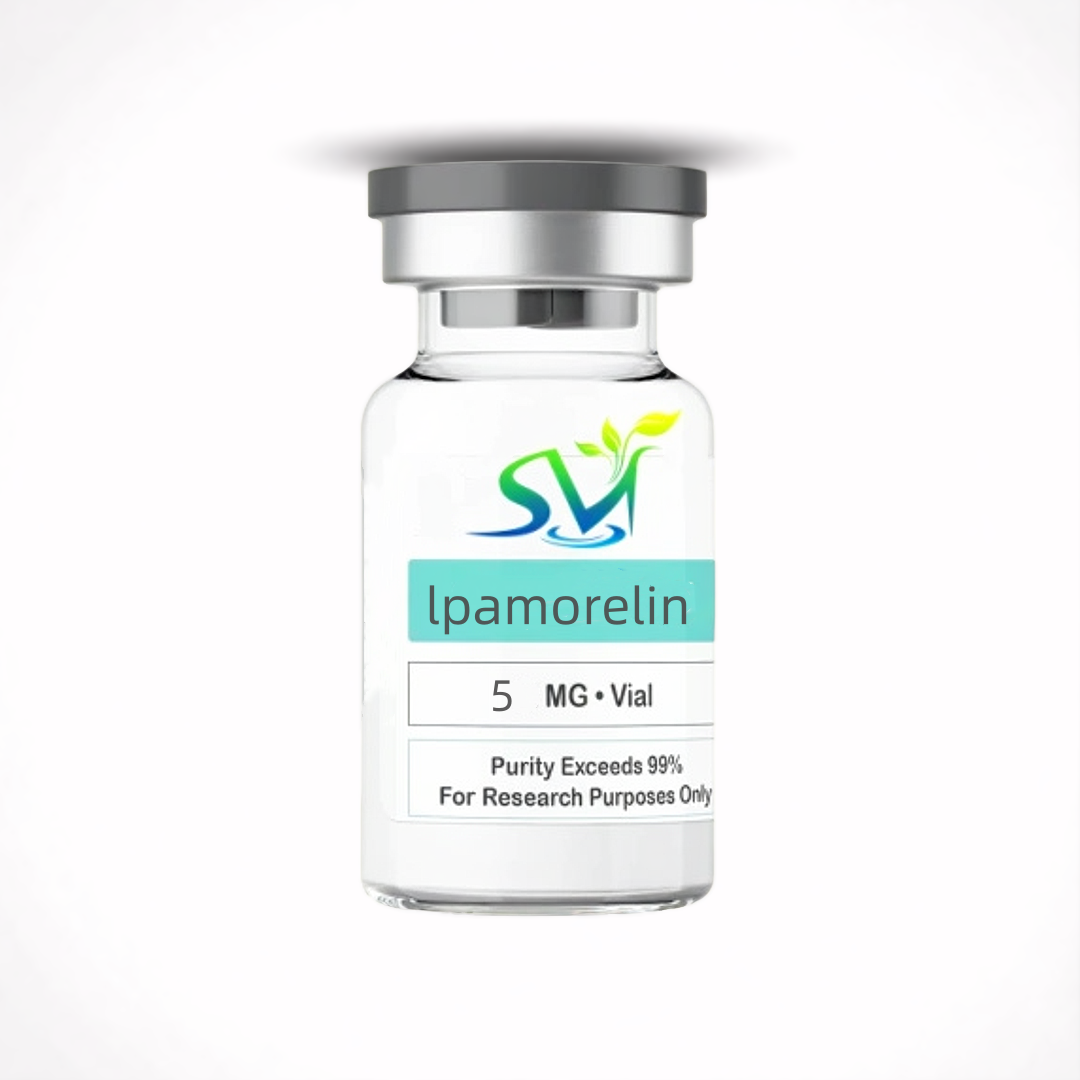
| Optional specification | 10mg*10vials, 5mg*10vials |
|---|